The Little Dreamers Nursery
The best british nursery in Dubai Jumeirah 3The Little Dreamers Nursery
The best british nursery in Dubai Jumeirah 3Building Language Skills Through Storytelling and Nursery Rhymes
The early years of a child’s life are crucial for developing language skills, and as a parent, you play a significant role in fostering this growth. From enchanting stories to catchy rhymes, these timeless tools make learning both fun and impactful. In this guide, we’ll explore how storytelling and nursery rhymes contribute to enhancing language skills in children, offering you practical ways to incorporate them into your daily routine.
How Storytelling Aids Language Development
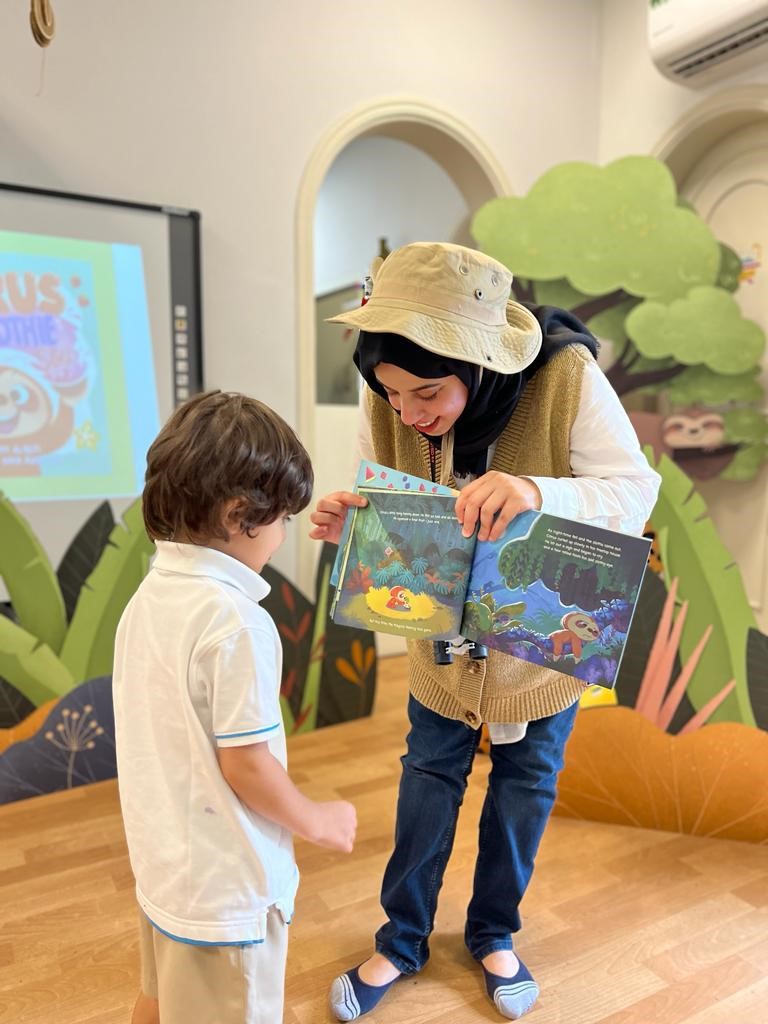
Storytelling is an age-old tradition that does more than entertain—it teaches, inspires, and helps build essential communication skills.
-
Expanding Vocabulary
Stories expose children to new words and phrases they may not encounter in everyday conversation. Hearing varied sentence structures and rich language helps them pick up new vocabulary naturally.
Fun Tip: Choose age-appropriate books with colorful illustrations and descriptive language to make stories more engaging for young listeners.
-
Enhancing Listening Skills
Sitting still and listening to a story encourages patience and focus. These listening skills are essential for academic success and social interactions.
-
Encouraging Imagination and Creativity
Storytelling opens the door to imaginary worlds, sparking creativity in children. This not only makes learning enjoyable but also strengthens their ability to think critically and solve problems.
-
Strengthening Parent-Child Bonds
When you read or tell stories, you create moments of closeness. This bonding time provides emotional security and reinforces your child’s confidence in expressing themselves.
The Power of Nursery Rhymes in Language Development
Nursery rhymes may seem simple, but they hold a wealth of benefits for developing minds.
-
Building Phonemic Awareness
Rhymes help children recognize and play with the sounds in words. This awareness is a key component of reading and writing skills. For example, hearing the repetition of sounds like “cat,” “bat,” and “hat” helps them identify rhyming patterns.
-
Improving Memory and Recall
Repeating rhymes helps strengthen memory. As children learn to recite their favorite rhymes, they improve their recall abilities, which benefits them in other areas of learning.
Did You Know? Studies have shown that children who engage with nursery rhymes early on tend to have an easier time mastering reading later in life.
-
Supporting Sentence Structure and Grammar
Nursery rhymes introduce children to basic sentence structures and grammatical patterns. For instance, “Twinkle, Twinkle, Little Star” teaches both rhythm and word order in a fun way.
-
Boosting Confidence in Speaking
Singing rhymes encourages children to speak aloud without worry of making mistakes. This builds their confidence, especially in group settings like preschool or playgroups.
Interactive Activities for Parents
Integrating storytelling and nursery rhymes into your daily routine doesn’t have to be complicated. Here are some simple yet effective activities to try:
-
Storytime Before Bed
Dedicate 15–20 minutes each night to reading stories with your child. Let them choose their favorite books to keep them engaged.
-
Make Up Your Own Stories
Take everyday events or objects and turn them into mini-adventures. For example, a trip to the grocery store can become a quest to find the “magic apple.”
-
Sing and Act Out Rhymes
Get animated when singing rhymes like “Itsy Bitsy Spider.” Use hand movements and facial expressions to make it interactive and memorable.
-
Incorporate Repetition
Repetition is key to language acquisition. Repeat their favorite stories and rhymes often—children thrive on familiarity.
-
Create a Storytelling Basket
Fill a basket with props like puppets, toy animals, or objects that relate to a story. Let your child use these props to retell the story in their own words.
Pro Tip: Use the “pause and predict” method while reading. Stop mid-story and ask your child, “What do you think will happen next?” This encourages active participation and critical thinking.