The Little Dreamers Nursery
The best british nursery in Dubai Jumeirah 3The Little Dreamers Nursery
The best british nursery in Dubai Jumeirah 3Benefits of playing with loose parts in early childhood
Benefits of playing with loose parts in early childhood
Loose parts are interchangeable pieces that can teach multiple subjects
in various ways. You may also hear them referred to as tabletop toys.
Natural items, repurposed items from the home or classroom, or we can
use items purchased primarily for the project for loose parts play. Let’s look at some advantages of playing with loose parts.
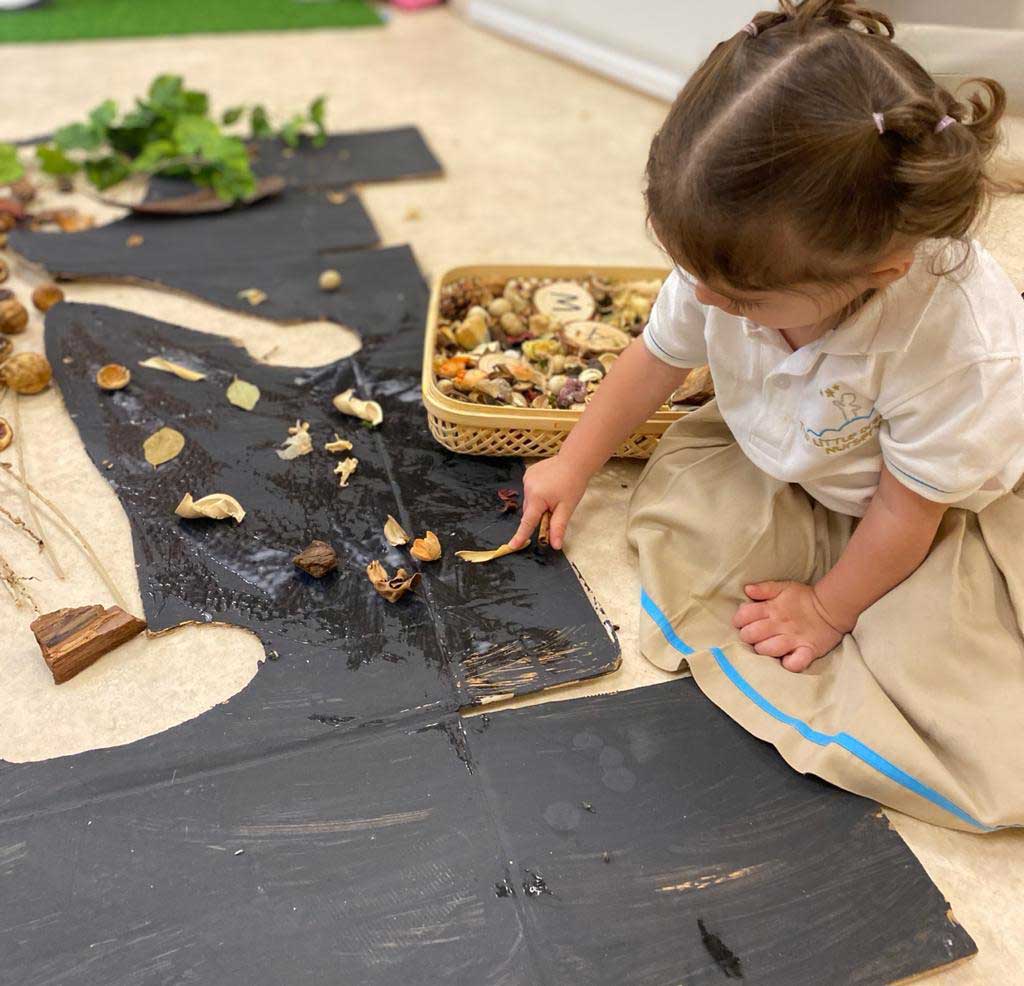
What does loose parts play mean for young children?
Examples of loose parts play activities include categorizing, sequencing, counting, stacking, matching, designing, and building. Young ones always rearrange the toys and play with them in new ways. Indoors, on surfaces like tables and floors, you can use loose components. Natural loose parts play could take place anywhere, from the ground to a picnic table.
Don’t miss: Benefits of role play article.
Why loose parts play is essential in early childhood?
Through loose parts play, children of all ages and stages foster curiosity, creativity, imagination, and invention. When there is no set way for children to play, they can explore, create, and invent in every sense of those terms because they assign their meanings to the toys they use.
What are the advantages of loose parts play?
Having fun with a bunch of random items can teach you a lot. The only difficulty in loose parts play is locating, sorting, and stowing the various components. Even though there are no predetermined outcomes for this form of play, it is crucial to go through any rules or standards for responsibly using the objects. Not all children are comfortable jumping right into play and creation; some need to see an adult model a few different options before they feel comfortable getting started. Adults can learn a lot from watching children play and asking questions like:
- What happened there?
- Why do you believe it looks like that?
- Is there anything you could change to see a different outcome?
Some of how loose parts play helps children grow and learn are listed below. We’ll also look at some loose parts play examples, too.
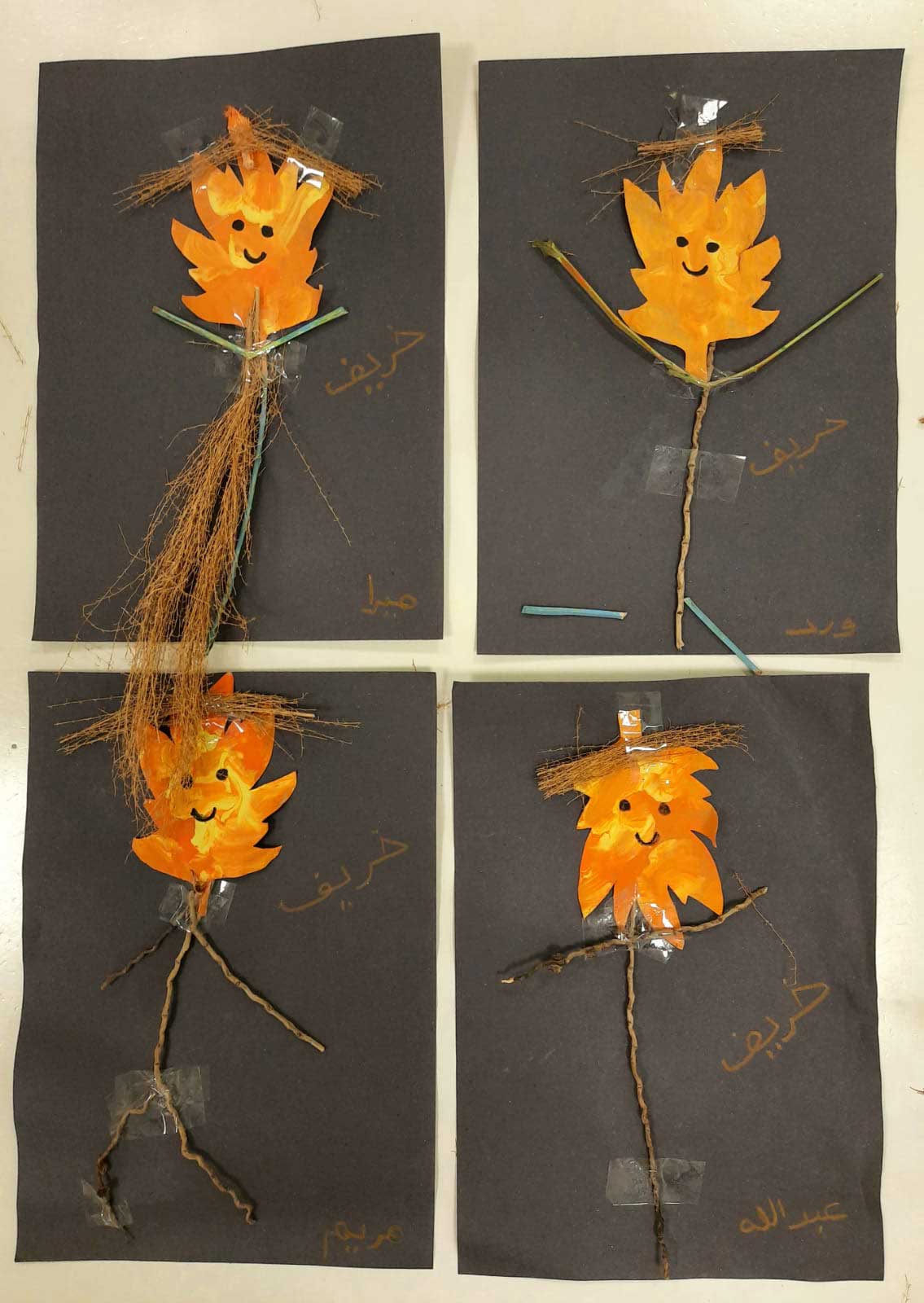
Inspire Children to Take Risks
When children have a run of good luck when playing with loose components, the good vibes they feel can spread to other areas of their lives. Children are less concerned with doing things “the correct way” during the day and are more likely to take chances during active outdoor play. This is one benefit of loose parts play.
Provide an Opportunity for Children to Learn Cause and Effect
Most children, after the toddler years, understand that if you push their block tower, it will collapse. And what about different stuff? They learn a new set of cause-and-effect pairs by experimenting with various objects in loose parts play. To illustrate this point, consider how much more difficult it would be to throw a wet pom-pom than a dry one.
Boost Independence and Confidence
Playing with loose components gives children more control over an activity, which can pave the way to increased autonomy in other areas of development. Having that sense of independence boosts one’s self-assurance.
Motivate Curiosity, Imagination, and Creativity
Many children’s toys are sold in collections with a specific order of play. That doesn’t give us much room to speculate. Because of the unstructured nature of loose components, children are free to experiment with “how things function,” use their creative energies to the fullest extent, and push themselves to their artistic potential.
Foster Analytical Thinking and Creative Problem Solving
Children can practice ideas at their developmental readiness while they engage in meaningful play with real-world objects. They speculate, try things out, evaluate the results, and try again. They can see that certain things slide or fly farther than others without understanding the concept of gravity.
Facilitate Cognitive Growth and Brain Development
Having the option to learn from a wide range of sources is crucial for developing critical thinking abilities. Children can practice a wide range of mathematical skills, from counting and sorting to comparing and sequencing, with the help of little movable pieces.
Boost Communication Abilities
Children’s communication is both vocal and nonverbal. They make up stories based on their observations and then ask the adults around them to confirm or disprove their suppositions.
Conclusion on loose parts play
Give loose parts play a try if you haven’t already. Using only a few inexpensive and readily available items as a starting point, it offers a brilliant and effective cure to the challenges faced by modern children. Children learn to take control of their education and the future. In our nursery in Dubai, we teach your children loose parts play in the correct way and try to establish proper behaviors and future life skills through this type of playing.
Book a tour now to visit The Little Dreamers Nursery one of the best Dubai nurseries.
Source: Benefits of playing with loose parts in early childhood
Our Articles on Telegraph
Stay and Play Nursery in Dubai
https://telegra.ph/Stay-and-Play-Nursery-in-Dubai-02-27
FS1 in Dubai
https://telegra.ph/FS1-in-Dubai-03-22
FS2 in Dubai
https://telegra.ph/FS2-in-Dubai-03-22
Our Nursery
Camps
https://telegra.ph/Our-Nursery-Camps-04-24
Looking for
kids summer camp in Dubai
https://telegra.ph/Looking-for-kids-summer-camp-in-Dubai-05-26
Top 7
activities to improve fine motor skills
https://telegra.ph/Top-7-activities-to-improve-fine-motor-skills-06-23
When can
Children Bathe or Shower Alone
https://telegra.ph/When-can-Children-Bathe-or-Shower-Alone-06-23
Best
Nurseries in Jumeirah 2024
https://telegra.ph/Best-Nurseries-in-Jumeirah-2024-08-02
Best
Nurseries in Jumeirah 3 2024
https://telegra.ph/Best-Nurseries-in-Jumeirah-3-2024-08-02
Dreamers
Nursery in Jumeirah
https://telegra.ph/Dreamers-Nursery-in-Jumeirah-08-19
Some fresh
articles for you
https://telegra.ph/Some-fresh-articles-for-you-08-25
Our Nursery
Facilities
https://telegra.ph/Our-Nursery-Facilities-09-18
Gold Day
Childhood Cancer Awareness 2024
https://telegra.ph/Gold-Day--Childhood-Cancer-Awareness-2024-09-28
Best British
Nurseries in Dubai 2024
https://telegra.ph/Best-British-Nurseries-in-Dubai-2024-10-28
Our New
Nursery Branch in Jumeirah Golf Estates
https://telegra.ph/Our-New-Nursery-Branch-in-Jumeirah-Golf-Estates-11-26
Gulf News
Says about Our Nursery
https://telegra.ph/Gulf-News-Says-about-Our-Nursery-11-26
What Should
a 4 Year Old Know Educationally Before Starting School
https://telegra.ph/What-Should-a-4-Year-Old-Know-Educationally-Before-Starting-School-12-18
Best
International Nursery Country Level 2024
https://telegra.ph/Best-International-Nursery-Country-Level-2024-01-24
Stevie
Winner 2025 Most Innovative Woman Award
https://telegra.ph/Stevie-Winner-2025--Most-Innovative-Woman-Award-01-24
Our most
favorite articles
https://telegra.ph/Our-most-favorite-articles-02-23
The Little
Dreamers Nursery Fee Structure
https://telegra.ph/The-Little-Dreamers-Nursery---Fee-Structure-03-19
Loose parts play
Loose parts are interchangeable pieces that can teach multiple subjects in various ways. You may also hear them referred to as tabletop toys. Natural items, repurposed items from the home or classroom, or we can use items purchased primarily for the project for loose parts play. Let’s look at some advantages of playing with loose parts.
What does loose parts play mean for young children?
Examples of loose parts play activities include categorizing, sequencing, counting, stacking, matching, designing, and building. Young ones always rearrange the toys and play with them in new ways. Indoors, on surfaces like tables and floors, you can use loose components. Natural loose parts play could take place anywhere, from the ground to a picnic table.
Don’t miss: Benefits of role play article.
Why loose parts play is essential in early childhood?
Through loose parts play, children of all ages and stages foster curiosity, creativity, imagination, and invention. When there is no set way for children to play, they can explore, create, and invent in every sense of those terms because they assign their meanings to the toys they use.
What are the advantages of loose parts play?
Having fun with a bunch of random items can teach you a lot. The only difficulty in loose parts play is locating, sorting, and stowing the various components. Even though there are no predetermined outcomes for this form of play, it is crucial to go through any rules or standards for responsibly using the objects. Not all children are comfortable jumping right into play and creation; some need to see an adult model a few different options before they feel comfortable getting started. Adults can learn a lot from watching children play and asking questions like:
- What happened there?
- Why do you believe it looks like that?
- Is there anything you could change to see a different outcome?
Some of how loose parts play helps children grow and learn are listed below. We’ll also look at some loose parts play examples, too.
Inspire Children to Take Risks
When children have a run of good luck when playing with loose components, the good vibes they feel can spread to other areas of their lives. Children are less concerned with doing things “the correct way” during the day and are more likely to take chances during active outdoor play. This is one benefit of loose parts play.
Read more here: Benefits of playing with loose parts in early childhood
Why Do Toddlers Chew on Their Fingers?
One of the most important reason is “Exploration and Sensory Stimulation”: Young children are curious and use their hands to explore the world around them. By putting their hands in their mouths, they can further investigate textures, tastes, and sensations.
You may ask, ‘Why do toddlers eat their fingers?’ Babies are born with the ability to root and suck instinctively.
Finger sucking is not a good habit for children and can be a difficult habit for some babies to break because it has a soothing and calming effect. According to the American Dental Association (known as ADA) and the American Academy of Pediatric Dentistry (known as AAPD), eating on one’s finger is discouraged in children between 2 and 4.
If you are wondering, “How can I stop my baby eating his/her hands?” then we suggest that you continue reading.
Why does my baby put his fingers in his mouth?
As the Best British Nursery in Dubai, Parents should consider purchasing a teething toy, cold washcloth, and ice cube tray when a baby’s teeth begin to fall out of their gums. If you suspect teething prevents your child from falling asleep, consider giving them an over-the-counter pain reliever like infant acetaminophen or ibuprofen .
2 or 3 year old suddenly putting hands in mouth
Why does toddler chewing on fingers? Self-eating or teething can also be the cause of this behavior. It’s not uncommon for young children, around the age of three, to put their hands in their mouths. There could be several reasons why a three-year-old suddenly starts doing this:
- Teething: Around this age, children may experience teething discomfort as their primary teeth continue to emerge. Putting hands or fingers in the mouth can provide temporary relief from the pain and pressure they feel.
- Exploration and Sensory Stimulation: Young children are curious and use their hands to explore the world around them. By putting their hands in their mouths, they can further investigate textures, tastes, and sensations.
- Self-Soothing: Sucking on their hands or fingers is a common self-soothing behavior in children. It can provide them with a sense of comfort, relaxation, and security, especially in unfamiliar or stressful situations.
- Habitual Behavior: Children may develop certain habits, such as putting hands in their mouths, without a specific underlying reason. It could be a learned behavior or a response to boredom or anxiety.
Read more here: Why Do Toddlers Chew on Their Fingers?
Building Language Skills Through Storytelling and Nursery Rhymes
The early years of a child’s life are crucial for developing language skills, and as a parent, you play a significant role in fostering this growth. From enchanting stories to catchy rhymes, these timeless tools make learning both fun and impactful. In this guide, we’ll explore how storytelling and nursery rhymes contribute to enhancing language skills in children, offering you practical ways to incorporate them into your daily routine.
How Storytelling Aids Language Development
Storytelling is an age-old tradition that does more than entertain—it teaches, inspires, and helps build essential communication skills.
-
Expanding Vocabulary
Stories expose children to new words and phrases they may not encounter in everyday conversation. Hearing varied sentence structures and rich language helps them pick up new vocabulary naturally.
Fun Tip: Choose age-appropriate books with colorful illustrations and descriptive language to make stories more engaging for young listeners.
-
Enhancing Listening Skills
Sitting still and listening to a story encourages patience and focus. These listening skills are essential for academic success and social interactions.
-
Encouraging Imagination and Creativity
Storytelling opens the door to imaginary worlds, sparking creativity in children. This not only makes learning enjoyable but also strengthens their ability to think critically and solve problems.
-
Strengthening Parent-Child Bonds
When you read or tell stories, you create moments of closeness. This bonding time provides emotional security and reinforces your child’s confidence in expressing themselves.
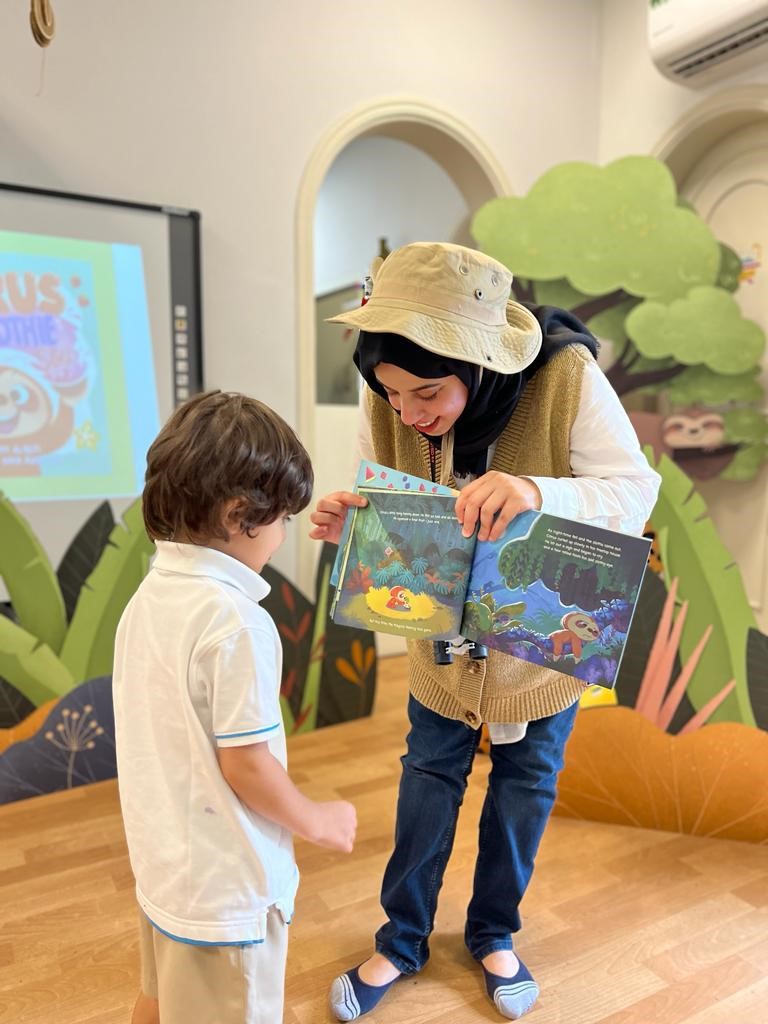
The Power of Nursery Rhymes in Language Development
Nursery rhymes may seem simple, but they hold a wealth of benefits for developing minds.
-
Building Phonemic Awareness
Rhymes help children recognize and play with the sounds in words. This awareness is a key component of reading and writing skills. For example, hearing the repetition of sounds like “cat,” “bat,” and “hat” helps them identify rhyming patterns.
-
Improving Memory and Recall
Repeating rhymes helps strengthen memory. As children learn to recite their favorite rhymes, they improve their recall abilities, which benefits them in other areas of learning.
Did You Know? Studies have shown that children who engage with nursery rhymes early on tend to have an easier time mastering reading later in life.
-
Supporting Sentence Structure and Grammar
Nursery rhymes introduce children to basic sentence structures and grammatical patterns. For instance, “Twinkle, Twinkle, Little Star” teaches both rhythm and word order in a fun way.
-
Boosting Confidence in Speaking
Singing rhymes encourages children to speak aloud without worry of making mistakes. This builds their confidence, especially in group settings like preschool or playgroups.
Interactive Activities for Parents
Integrating storytelling and nursery rhymes into your daily routine doesn’t have to be complicated. Here are some simple yet effective activities to try:
-
Storytime Before Bed
Dedicate 15–20 minutes each night to reading stories with your child. Let them choose their favorite books to keep them engaged.
-
Make Up Your Own Stories
Take everyday events or objects and turn them into mini-adventures. For example, a trip to the grocery store can become a quest to find the “magic apple.”
-
Sing and Act Out Rhymes
Get animated when singing rhymes like “Itsy Bitsy Spider.” Use hand movements and facial expressions to make it interactive and memorable.
-
Incorporate Repetition
Repetition is key to language acquisition. Repeat their favorite stories and rhymes often—children thrive on familiarity.
-
Create a Storytelling Basket
Fill a basket with props like puppets, toy animals, or objects that relate to a story. Let your child use these props to retell the story in their own words.
Pro Tip: Use the “pause and predict” method while reading. Stop mid-story and ask your child, “What do you think will happen next?” This encourages active participation and critical thinking.